Leave Your Message

7 Best Red Wine and White Wine Glasses to Buy?

Choosing the right Red Wine And White Wine Glasses can change more than table appearance. It can influence aroma, temperature, balance, and the pace of each sip. A broad red-wine bowl gives Cabernet Sauvignon space to release darker aromas. A narrower white-wine bowl helps preserve the freshness of Sauvignon Blanc or Riesling.

The International Organisation of Vine and Wine reported global wine consumption of approximately 221 million hectolitres in 2023. Consumption declined by about 2.6% from the previous year. This makes thoughtful home serving more relevant, especially when every bottle deserves careful presentation. Meanwhile, ISO 3591:1977 remains a useful professional reference for wine-tasting glass design. Its shape supports consistent sensory evaluation, rather than decoration alone.

A perfect glass does not exist. Fit matters too.

This guide compares seven practical options for red and white wines. The selection considers bowl shape, rim thickness, stem stability, dishwasher safety, durability, and everyday comfort. It also reflects hands-on details that product photos often miss. A thin rim may feel elegant, but it can chip easily. A large bowl may improve aroma, yet it can feel awkward in a small dishwasher. Crystal can offer clarity and refinement, although some pieces demand gentler care.

The recommendations draw on established tasting principles, manufacturer specifications, and published market evidence. Still, personal preference remains important. Some conclusions may need reconsideration after repeated use. Your favorite glass might not be the most technically precise one. It may simply feel right during dinner.
7 Best Red Wine and White Wine Glasses to Buy?

Understanding the Differences Between Red and White Wine Glasses

Understanding the Differences Between Red and White Wine Glasses

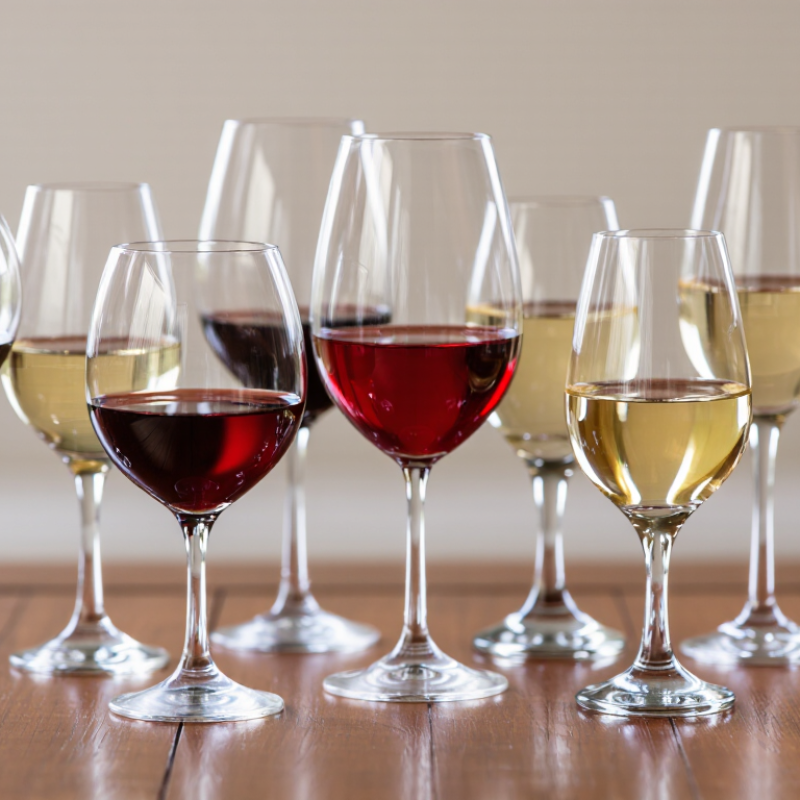
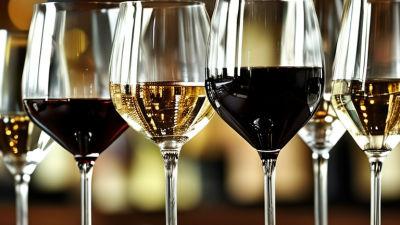
Red and white wine glasses are shaped for different sensory jobs. A red glass usually has a wider bowl and broader opening. This gives bold aromas more room to collect and move toward the nose. Tannic reds also benefit from gentle swirling. The larger surface can soften the first, sharper impression. A white wine glass is often narrower and slightly smaller. Its shape helps preserve delicate floral, citrus, and mineral notes. It also limits warming in the hand. Small detail, noticeable effect.

The 2023 OIV State of the World Vine and Wine Sector report estimated global wine consumption at 221 million hectolitres. That scale makes consistent serving equipment useful in homes, restaurants, and tasting rooms. ISO 3591 also defines key features for a wine-tasting glass, including a clear bowl and a suitable stem. It supports evaluation, not a rigid shopping rule. In my own tasting, I once used one large glass for every wine. That shortcut was wrong. A light white tasted muted, while a full-bodied red seemed tight in a narrow bowl. Still, glass shape cannot repair poor wine or incorrect serving temperature. Choose a stable stem, a thin rim, and enough bowl space for the wine style. A universal glass sounds practical. It is not always the clearest choice.
7 Best Red Wine and White Wine Glasses to Buy

Understanding the Differences Between Red and White Wine Glasses

Typical bowl capacities differ by glass style. Larger bowls are generally used for red wines because they provide more space for aromas to develop, while smaller bowls help preserve the cooler temperature and delicate aromas of white wines. Actual sizes vary by manufacturer.

Capacity is shown in US fluid ounces and represents common specifications for each glass type.

Key Features to Compare Before Buying Wine Glasses

Choosing among the seven best red and white wine glasses starts with practical comparisons, not decoration. Shape matters.

The International Organisation of Vine and Wine reported 214.2 million hectolitres of global wine consumption in 2023. That volume supports a broad need for functional glassware. Compare bowl size, rim diameter, stem length, and stability before appearance. Larger red-wine bowls provide more surface area for swirling and aroma release. Narrower white-wine bowls help preserve delicate floral and citrus notes. A tulip-shaped sparkling glass can retain bubbles better than a wide coupe.

ISO 3591:1974 describes key dimensions for a wine-tasting glass, including a narrow rim and suitable bowl proportions. It offers a useful professional reference, though it does not identify one perfect glass for every drinker. Look for thin, clear crystal or glass, a comfortable weight, and a rim that directs wine smoothly. Dishwasher resistance also matters for regular use. I have found that a beautiful stemless glass can feel secure, but it warms wine quickly in smaller hands. That drawback is easy to overlook.

For red wine, compare universal, Bordeaux, and Burgundy shapes by bowl volume and balance. For white wine, examine smaller universal, aromatic, and sparkling styles. Avoid choosing only by capacity. A 600-millilitre bowl may look impressive yet feel awkward at a modest pour. Testing one glass with the same wine can reveal more than product descriptions.

Seven Wine Glass Types for Different Red and White Wine Styles

Choosing the right glass starts with the wine’s structure, not its price. The OIV’s 2023 sector report recorded global wine consumption near 232 million hectolitres in 2022. That scale reflects countless drinking styles, so one glass cannot serve every bottle equally well.

For full-bodied reds, a Bordeaux glass offers a tall bowl for Cabernet-based blends and firm tannins. A wider Burgundy glass suits delicate Pinot Noir, helping its floral aromas spread across the rim. A universal red glass works well for everyday blends, though it is a compromise. It cannot fully replace either specialist shape. For crisp whites, choose a smaller white-wine glass to preserve temperature and highlight acidity. A Chardonnay glass has a broader bowl, giving oak, butter, and ripe fruit more room. An aromatic Riesling glass is narrower, concentrating citrus, stone-fruit, and mineral notes. Each shape creates a different path from liquid to nose.

Sparkling wine needs its own decision. A flute protects visible bubbles, while a tulip-shaped sparkling glass usually releases more aroma. The International Organisation for Standardization’s ISO 3591 tasting-glass standard emphasizes aroma concentration and controlled evaluation, but home drinking is less rigid. In tasting-room practice, glass temperature matters almost as much as shape. Warm fingerprints quickly affect chilled white wine. Wash glasses without strong detergent scents, and inspect the rim under clear light. Some recommendations feel overly precise. Personal preference still deserves a place at the table.

How to Choose the Best Glass for Your Favorite Wines

Choosing the best wine glass starts with the wine’s structure, not its price. In my tasting experience, bowl shape changes aroma, temperature, and how wine reaches the palate. A Bordeaux glass suits full-bodied reds because its tall bowl softens strong aromas. A Burgundy glass works better for delicate reds, especially those with bright fruit and earthy notes. A smaller universal red glass is practical for everyday pours, though it may not reveal every detail.

White wines need careful temperature control. A Chardonnay glass with a slightly wider bowl can support creamy textures and oak aromas. A narrow Sauvignon Blanc glass preserves crisp citrus and herbal notes. For aromatic Riesling, choose a slim bowl that directs floral scents without warming the wine quickly. Sparkling wine benefits from a tall, narrow glass, which helps retain bubbles longer. A coupe looks elegant, but it loses fizz faster.

I once bought oversized glasses, believing more space meant better flavor. The wine often became warm before dinner ended. That was a useful mistake. Hold the glass by its stem, fill it only one-third, and swirl gently. Clear, thin glass improves visual judgment and mouthfeel, but durability matters in real homes. The “best” glass is one that fits your favorite wine, washing routine, storage space, and drinking habits. No glass is perfect.

7 Best Red Wine and White Wine Glasses to Buy? - How to Choose the Best Glass for Your Favorite Wines

No. Glass Type Recommended Capacity Bowl Shape Best Wine Styles Why Choose It Important Buying Features
1 Bordeaux Red Wine Glass 550–750 ml Tall, broad bowl with a moderately narrow rim Cabernet Sauvignon, Merlot, Cabernet Franc, Bordeaux-style blends The generous bowl gives full-bodied red wines room to develop aromas and soften through contact with air. Choose a clear, thin-rimmed glass with a stable foot and enough height for comfortable swirling.
2 Burgundy Red Wine Glass 650–900 ml Very wide, rounded bowl with a gently tapered rim Pinot Noir, Nebbiolo, mature red Burgundy-style wines The wide surface area helps delicate, aromatic wines release their floral, earthy, and fruit notes. Look for a light, well-balanced design; the large bowl should still feel secure when held by the stem.
3 Universal Red and White Wine Glass 450–600 ml Medium-sized tulip bowl with a balanced taper Most everyday red and white wines, including Chardonnay and lighter reds A practical all-purpose shape that supports aroma concentration without requiring separate glasses for every wine. Prioritize a thin rim, comfortable stem, dishwasher-safe construction, and a bowl that is easy to clean.
4 Chardonnay White Wine Glass 350–500 ml Medium bowl with a rounded center and slightly narrowing rim Oaked Chardonnay, Viognier, white Rhône-style blends The rounded bowl accommodates richer textures while the narrower rim directs buttery, fruit, and oak aromas toward the nose. Select a bowl large enough for swirling but not so large that chilled white wine warms quickly.
5 Sauvignon Blanc White Wine Glass 300–450 ml Narrow, upright bowl with a defined taper Sauvignon Blanc, Albariño, Grüner Veltliner, dry Riesling The narrower bowl preserves freshness and focuses bright citrus, herbal, and mineral aromas. Choose a smaller bowl with a thin rim and enough height to keep the glass comfortable without excessive hand contact.
6 Riesling and Aromatic White Wine Glass 300–450 ml Tall, slender bowl with a narrow opening Riesling, Gewürztraminer, Moscato, Chenin Blanc The compact shape helps retain delicate aromas, acidity, and serving temperature. A slender profile is useful, but the opening should still be wide enough for tasting and easy cleaning.
7 Sparkling Wine Flute or Tulip Glass 180–300 ml Tall flute or slightly wider tulip bowl Champagne, Cava, Prosecco, sparkling rosé The narrow profile helps maintain carbonation, while a tulip shape provides more room for sparkling wine aromas. For the best balance, choose a narrow but not extremely tight bowl, a thin rim, and a stable base.

Quick selection tip: Choose a larger bowl for full-bodied or aromatic red wines, a medium tulip shape for most white wines, and a narrower glass when preserving freshness, delicate aromas, or carbonation is the priority.

Care, Durability, and Value When Selecting Wine Glasses

The 7 Best Red Wine and White Wine Glasses to Buy

Choosing wine glasses is less about appearance than daily performance. A red wine glass usually needs a wider bowl, allowing more air to reach bold aromas. White wine glasses often use narrower bowls, helping preserve cooler temperatures and delicate scents. However, one versatile glass can serve both styles and may offer better value for casual drinkers.

Durability starts with the rim, stem, and base. Look for a smooth rim without uneven edges, a balanced stem, and a stable foot that resists tipping. Lead-free crystal can feel light and clear, while quality glass may tolerate more frequent use. I have found that very thin glasses improve the drinking experience, but they demand careful handling. That trade-off is easy to underestimate.

Care determines the real cost. Handwashing with warm water and mild detergent protects delicate surfaces better than aggressive cleaning cycles. Hold the bowl, not the stem, when washing or drying. Store glasses upright if the rim is fragile, or upside down if the interior stays dust-free and the base is strong. I once stacked several glasses carelessly and chipped one within a week. It was avoidable. A practical set should match your habits, storage space, and willingness to replace breakage. A slightly heavier glass may provide greater long-term value, even if it feels less refined.