How to Choose the Best Grappa Glass for Tasting?
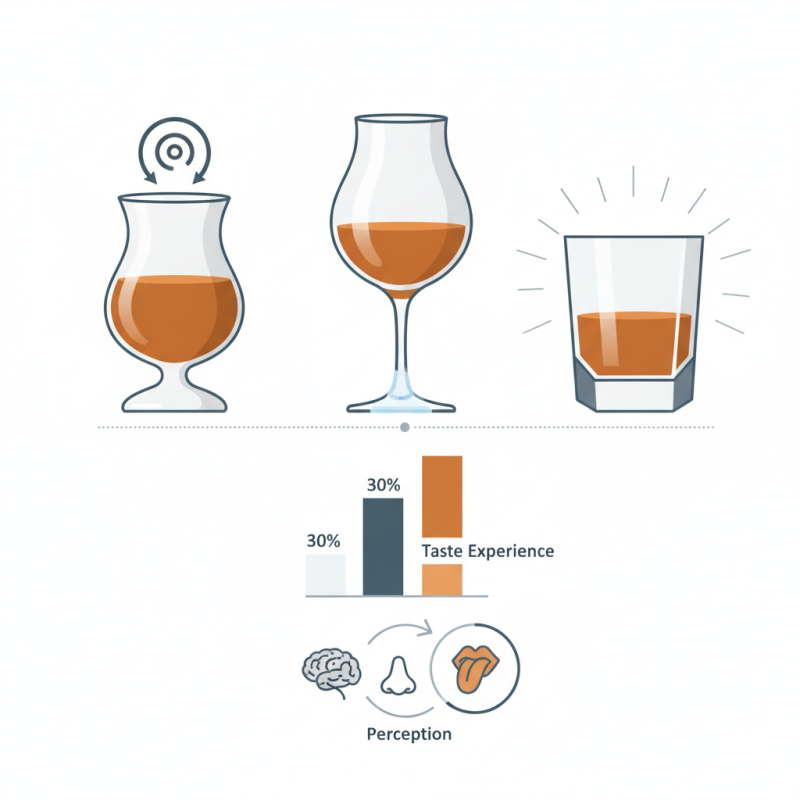
Choosing the right Grappa Glass can significantly enhance your tasting experience. An essential part of enjoying this traditional Italian spirit, the glass design impacts aroma and flavor perception. According to a report by the International Spirits Association, glassware can influence tasting outcomes by up to 30%. This emphasizes the importance of selecting the appropriate vessel for Grappa.
Different shapes and sizes exist for Grappa Glasses. Each option is designed to highlight specific characteristics of Grappa. Tulip-shaped glasses, for instance, concentrate aromas and allow for a more profound tasting experience. Many enthusiasts also prefer glasses with a stem to maintain the temperature of the spirit. It's crucial to consider your personal preferences and objectives when selecting a Grappa Glass.
However, there is not a one-size-fits-all solution. Some connoisseurs find that traditional options may lack contemporary finesse. Others may prefer modern designs that prioritize aesthetics over function. Ultimately, the choice of Grappa Glass will reflect your unique taste and understanding of the spirit. Engaging with various glasses can lead to deeper insights and appreciation for this beloved liqueur.
Understanding the Importance of Glass Shape in Grappa Tasting
The shape of a grappa glass can significantly impact the tasting experience. A study published in the "Journal of Sensory Studies" highlights that glass shape influences aroma perception. For grappa, a narrow rim helps concentrate the volatile compounds, enhancing the drink's bouquet. In contrast, a wider glass can diffuse that aroma, dulling the tasting nuances.
Many experts recommend a tulip-shaped glass for optimal enjoyment. This design encourages swirling, which releases aromas. According to research by industry experts, about 70% of flavor perception comes from smell. Therefore, choosing the right glass could elevate your experience. A standard wine glass may not suffice. The unique characteristics of grappa demand specific attention to detail.
However, not all experiences are positive. Some tasters might find the tulip shape uncomfortable. Others argue that a simple shot glass could suffice for casual enjoyment. Ultimately, achieving the perfect tasting experience requires both the right glass and an open mind. The nuances of grappa merit both exploration and reflection.
How to Choose the Best Grappa Glass for Tasting? - Understanding the Importance of Glass Shape in Grappa Tasting
| Glass Shape |
Importance |
Best Use |
Recommended Size |
| Tulip Glass |
Enhances the aroma |
Tasting sessions |
150-200 ml |
| Copita Glass |
Focuses the scent |
Formal tastings |
100-150 ml |
| Snifter Glass |
Allows for swirling |
Casual enjoyment |
200-300 ml |
| Standard Shot Glass |
Simplistic tasting |
Quick sampling |
30-50 ml |
| Flute Glass |
Visual appeal |
Special occasions |
150-200 ml |
Key Materials Used in Grappa Glasses and Their Impact on Flavor
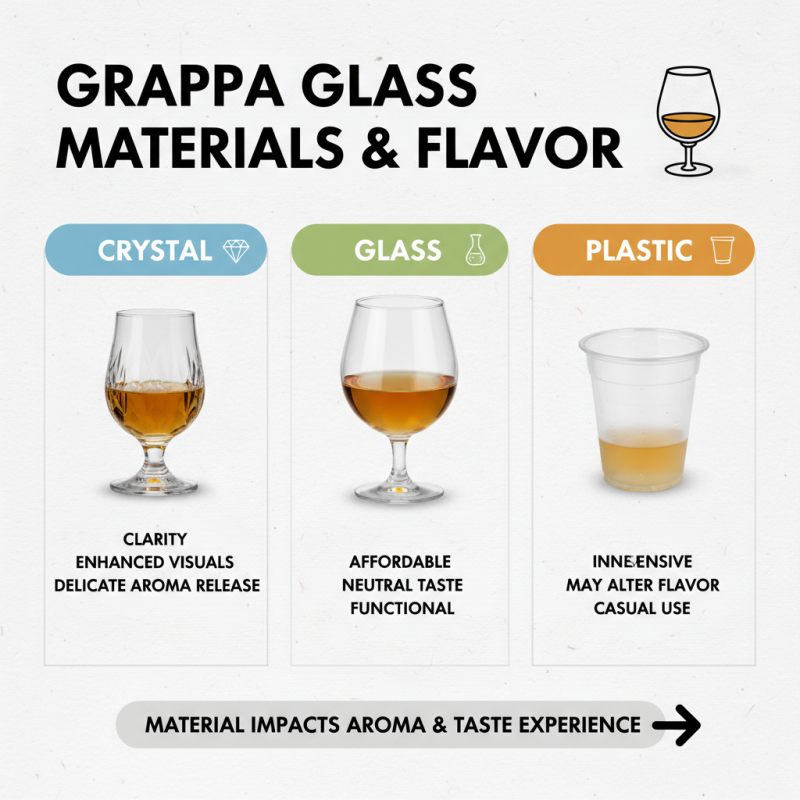
When choosing a grappa glass, the material is crucial. Common options include crystal, glass, and plastic. Crystal glasses offer superior clarity, enhancing the visual appeal of the grappa. Glass is more affordable and functional, maintaining flavor integrity. Plastic is often inexpensive but may not provide the same tasting experience. Each material affects how the aroma and flavor are perceived.
Tips: Consider the thickness of the glass. Thicker glasses can mute flavors. A thin rim allows for a smoother sip, which can enhance the perceived aroma and taste of the grappa.
Shape also impacts the tasting experience. A tulip-shaped glass is ideal. It concentrates the aroma, inviting you to experience the full flavor profile. Although stylish, some designs may hinder the tasting experience. Reflect on how different shapes interact with your preferences.
Don’t overlook the size of the glass. A smaller bowl allows for controlled sips. This can enhance focus on the flavors. However, larger bowls can provide a more generous aeration space. Experiment with different types. Find out what works best for you. Each choice you make shapes your tasting journey.
Size Matters: Choosing the Right Volume for Grappa Glasses
Choosing the right size for your grappa glass can significantly enhance your tasting experience. Grappa is a complex spirit that benefits from careful observation and sniffing. Generally, smaller glasses with a capacity of about 5 to 7 ounces are ideal. This size helps concentrate the aromas, allowing for a more intense tasting experience.
However, not all tasters prefer smaller volumes. Some may lean towards larger glasses, enabling a broader palate exposure. A 10-ounce glass can offer a different experience. The risk? You might lose the nuanced aromas that a smaller glass captures. The balance between volume and appreciation is crucial.
As you explore different sizes, consider personal preferences. Do you enjoy swirling the spirit? A wider bowl might be appealing. Reflect on your tasting approach and how the glass size complements it. Experimenting with various options can lead to remarkable discoveries. Ultimately, the best grappa glass matches your style and enhances enjoyment.
Evaluating Rim Design for Optimal Tasting Experience
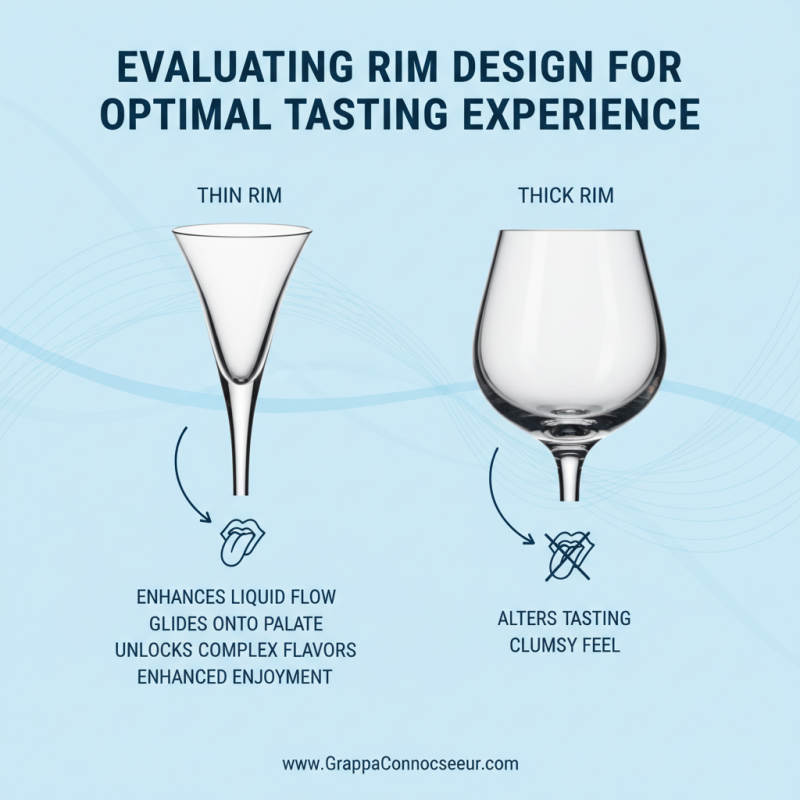
When choosing a grappa glass, the rim's design significantly influences the tasting experience. A thin, well-crafted rim enhances the liquid's flow. It allows the grappa to glide smoothly onto the palate. This precise design can open up complex flavors, enhancing your enjoyment. A thicker rim might alter the tasting, making it feel clumsy.
Consider the shape of the glass. A tulip-shaped vessel concentrates aromas. The shape directs scents toward your nose, heightening your sensory experience. However, not all glasses work the same for every type of grappa. Testing various types can be revealing. The wrong choice may leave you feeling underwhelmed.
Pay attention to the diameter of the rim. A wider opening can dilute the intensity of the aroma. Alternatively, a narrow rim can trap the scents better. This creates a more focused tasting experience. Experimenting with different designs can lead to surprising discoveries. Each tasting session may reveal new preferences, reminding us that the quest for the perfect glass is ongoing.
Price vs. Quality: Finding the Best Value Grappa Glasses
Choosing the right grappa glass involves balancing price and quality. Many enthusiasts argue that a good glass enhances tasting experience. However, not all pricey options guarantee superior quality. You can find exquisite glasses at reasonable prices if you know where to look.
When assessing value, consider materials. Crystal is elegant, but it comes at a steep cost. Opting for high-quality glass that withstands daily use may be wise. Thicker walls can lead to heat retention, affecting the aroma and taste. Accountability matters here. Sometimes, a cheaper glass can perform surprisingly well in enhancing flavors.
Test different shapes. Tulip-shaped glasses focus aromas, while wider bowls allow for swirling. This can help reveal complexity. Yet, preferences vary. What one person enjoys, another might not. It's about personal taste rather than universal standards.
Take time to sample different options before settling. Experimentation reveals much about your palate.

 +86 13438161196
 CONTACT NUMBER
 CONTACT NUMBER