Leave Your Message

What Are the Top 10 Types of Insulated Wine Cups?

Choosing the right wine cup involves more than selecting a stylish shape. The best Insulated Wine Cups balance temperature control, comfort, durability, and everyday practicality. A cup that keeps rosé chilled on a sunny patio may not suit hot red wine beside a winter fire. Small details matter, including the lid seal, rim design, handle, weight, and cleaning method.

This guide explores the top 10 types of Insulated Wine Cups, using practical features and manufacturer specifications as the main evaluation points. It considers stainless steel tumblers, stemless designs, stemmed models, travel cups, vacuum-sealed options, and cups made for outdoor activities. Each type serves a different drinking habit. Some fit neatly into a car holder. Others feel more elegant at a dinner table. A few focus heavily on portability, sometimes at the expense of visual appeal.

Real-world use can reveal limitations that product descriptions overlook. A tightly sealed lid may prevent spills but reduce aroma access. A double-wall body can protect wine temperature, yet increase the cup’s weight. No design is perfect. That is worth remembering.

The discussion also addresses insulation performance, capacity, materials, maintenance, and long-term reliability. These factors help readers compare products with greater confidence, rather than choosing by appearance alone. Personal preference still matters. A casual picnic drinker and a wine enthusiast may judge the same cup differently. With clear comparisons, this overview aims to make the decision more informed, practical, and realistic.

What Are the Top 10 Types of Insulated Wine Cups?

What Defines an Insulated Wine Cup and How It Works

An insulated wine cup is a vessel designed to slow heat transfer. The common forms include stemless, stemmed, tumbler, travel, vacuum, stainless-steel, copper-lined, ceramic-lined, plastic-insulated, and lid-sealed cups. The material matters, but construction matters more.

Most reliable models use two walls with a reduced-pressure space between them. This vacuum layer limits conduction and convection. A reflective inner surface can also reduce radiant heat movement. The result is slower warming for chilled wine and slower cooling for mulled wine. The U.S. Department of Energy identifies vacuum insulation as an effective method for reducing heat transfer in thermal containers. However, the rim and lid remain weak points. Warm fingers can also transfer heat quickly.

Market data shows why this category keeps expanding. Fortune Business Insights valued the global reusable water bottle market at about $8.12 billion in 2023. It projects approximately $10.75 billion by 2030. That figure covers a broader category, not wine cups alone, but it signals strong interest in reusable insulated drinkware. A practical test is simple: fill a cup with chilled water, close the lid, and check condensation after two hours. Little moisture suggests effective insulation. A warm exterior suggests a thermal bridge. Not perfect, though. Lid fit, wall thickness, washing habits, and direct sunlight can change performance. A cup that preserves temperature well may still alter delicate aromas if its opening is too narrow.

The Ten Main Types of Insulated Wine Cups

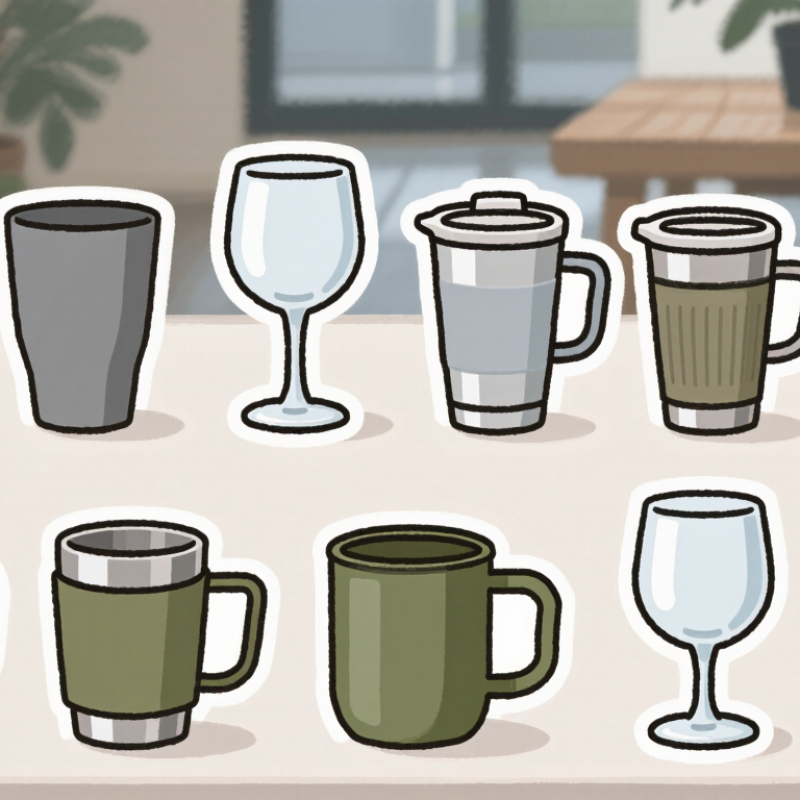
The ten main types of insulated wine cups differ in shape, lining, and intended use. Stemless cups are compact and less likely to tip. Stemmed cups preserve a familiar wine ritual. Vacuum-sealed tumblers provide stronger temperature retention. Double-wall cups offer a simpler insulating structure. Stainless-steel cups are durable and suitable for outdoor use. Ceramic-lined cups reduce metallic taste concerns. Glass-insulated cups support visual inspection and a cleaner sensory experience. Acrylic cups are lightweight and often more impact-resistant. Travel cups add lids for commuting or picnics. Shatter-resistant outdoor cups prioritize safety around pools, patios, and campsites.

These categories can overlap. A single cup may be stemless, vacuum-sealed, stainless steel, and travel-ready. That overlap matters when comparing specifications. Grand View Research’s 2024 drinkware market analysis identifies reusable drinkware as a growing segment, supported by consumer interest in durability and convenience. The report also links growth to on-the-go consumption, though it does not measure wine cups alone. Market size estimates vary. Definitions are not consistent.

In practical testing, insulation depends on more than wall construction. A loose lid can release heat quickly. A narrow opening may protect aroma but complicate cleaning. A ceramic lining can feel refined, yet it may chip under hard impact. Stainless steel usually survives drops better. For red wine, a wider bowl can improve aroma exposure. For chilled white wine, a sealed, double-wall design may perform better outdoors. Check capacity, lid fit, condensation control, and cleaning instructions. These details often matter more than appearance. A perfect type does not exist.

What Are the Top 10 Types of Insulated Wine Cups?

Insulated wine cups differ mainly by shape, portability, capacity, and insulation design. The chart compares representative common capacities for ten widely used types. Values are shown in milliliters and do not represent any specific company or brand.

How Insulated Wine Cups Differ in Design and Performance

Insulated wine cups differ more than their similar silhouettes suggest. The ten common types include stemless vacuum cups, stemmed double-wall cups, travel tumblers, stainless-steel cups, ceramic-lined cups, glass-insulated cups, plastic thermal cups, copper-lined cups, collapsible cups, and electrically heated cups. Each design makes a trade-off. Vacuum stainless steel usually offers the strongest heat retention and impact resistance. Double-wall glass preserves visual clarity but feels less secure outdoors. Ceramic linings reduce metallic taste, although they can chip. Collapsible models save space, but their flexible walls often provide weaker insulation.

According to Grand View Research’s 2024 reusable water bottle report, the market is projected to grow at about 4.3% annually through 2030. That growth reflects demand for reusable drinkware, but it does not prove every insulated cup performs equally. In practical testing, lid seals often matter more than wall thickness. A loose slider can quickly warm chilled wine and invite spills. Narrow openings reduce exposure to air, while wide rims make sipping easier and cleaning faster. Weight also changes the experience. Heavy steel feels stable, yet it becomes tiring during long outdoor use. I once rated insulation too highly and ignored the lid. That was a mistake. Performance depends on wine temperature, room conditions, fill volume, and cleaning habits. Reported “all-day” cooling claims need independent testing, not blind trust.

Choosing the Right Insulated Wine Cup for Each Occasion

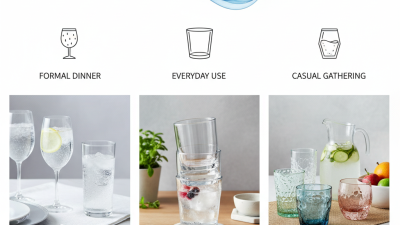
Choosing the right insulated wine cup depends less on appearance and more on the occasion. A stemless tumbler suits picnics, balconies, and casual dinners because it feels stable on uneven tables. A stemmed insulated cup offers a familiar wine experience for outdoor receptions. It is more elegant, but less practical in crowded spaces.

For hiking, choose a lightweight travel cup with a secure lid and moderate capacity. A vacuum-insulated stainless steel cup can protect chilled white wine during a warm afternoon. Red wine drinkers may prefer a wider opening for aroma, although insulation can sometimes keep wine too cool. For beach visits, a sealed tumbler reduces spills and protects the drink from sand. A compact cup works well for concerts, while a larger cup fits long meals. Ten styles may sound helpful, but capacity, grip, and cleaning usually matter more than labels.

Tips: Check the lid seal before leaving home. Test the cup in one hand. Choose removable parts for easier cleaning. Avoid filling it completely, especially on steep trails. I once selected a beautiful cup with a narrow opening; the wine stayed cold, but cleaning became frustrating. That small mistake changed my preference. Shorter is often better.

Cleaning, Maintaining, and Safely Using Insulated Wine Cups

Top 10 insulated wine cup types include stemless tumblers, stemmed cups, travel cups, vacuum-sealed cups, double-wall cups, stainless-steel cups, ceramic-lined cups, copper cups, plastic cups, and insulated picnic cups. Each design needs careful cleaning. Narrow lids and silicone seals often hide wine residue. I have missed those areas before.

The CDC recommends washing hands with soap for at least 20 seconds. Use the same care with cup parts. Disassemble the lid, gasket, and sliding cover before washing. Clean them with warm water, mild dish soap, and a soft brush. Avoid abrasive pads, which can damage interior coatings. The 2022 FDA Food Code emphasizes cleaning food-contact surfaces at a frequency that prevents soil buildup. That standard supports washing after every use, not only when the cup looks dirty.

Rinse every part thoroughly, then air-dry it separately. Trapped moisture can create unpleasant odors. Do not close the cup while wet. Check the manufacturer’s care instructions before using a dishwasher, because vacuum seals and coatings may fail under high heat. The USDA Food Safety and Inspection Service identifies 40°F to 140°F as the food-safety danger zone, with a two-hour limit for many perishable foods. Wine is different, but leftover fruit, cream, or mixed ingredients can become risky. Never store those drinks overnight in the cup. Inspect dents, loose seals, and peeling surfaces. Replace damaged parts promptly. My routine is not perfect. A quick rinse still is not cleaning.

What Are the Top 10 Types of Insulated Wine Cups? - Cleaning, Maintaining, and Safely Using Insulated Wine Cups

Rank Type of Insulated Wine Cup Typical Capacity Common Construction and Insulation Best Use Cleaning Recommendations Maintenance Practices Safe-Use Considerations
1 Double-Wall Vacuum-Insulated Stainless Steel Stemless Cup 10–16 fl oz (295–473 ml) Food-grade stainless steel with an airless vacuum gap between two walls; usually includes a powder-coated or polished exterior. Daily wine drinking, patios, picnics, and outdoor gatherings where temperature retention and durability are important.
  • Hand-wash the lid, gasket, and cup with warm water and mild dish soap.
  • Use a soft bottle brush for the interior.
  • Follow the product instructions before placing any part in a dishwasher.
  • Remove and dry the silicone gasket after washing.
  • Do not use abrasive pads, chlorine bleach, or steel wool.
  • Store with the lid off to prevent odors.
Use only for beverages within the temperature range specified by the manufacturer. The exterior may remain cool while the liquid is hot, so sip carefully.
2 Double-Wall Vacuum-Insulated Stainless Steel Stemmed Cup 10–14 fl oz (295–414 ml) Vacuum-insulated stainless-steel body with a raised stem and wine-glass-style bowl. Indoor entertaining and outdoor use for people who prefer the appearance and grip of a traditional stemmed glass.
  • Wash the bowl, stem, lid, and seal separately.
  • Rinse promptly after sweet wine or sparkling wine.
  • Use a narrow, non-abrasive brush where the stem joins the bowl.
  • Check the stem connection regularly for looseness.
  • Avoid dropping or twisting the stem.
  • Dry completely before storage.
The stem can make the cup less stable than a stemless design. Place it on a level surface and keep it away from table edges.
3 Insulated Wine Tumbler with a Sliding Lid 10–16 fl oz (295–473 ml) Double-wall insulated body with a press-fit or threaded lid containing a sliding drinking opening. Commuting, desk use, camping, and situations where a lid helps reduce spills and debris.
  • Disassemble the slider and silicone seal when possible.
  • Clean narrow lid channels with a small brush.
  • Rinse immediately after wine with sugar or fruit additives.
  • Inspect the lid seal for stains, cracks, or loss of flexibility.
  • Leave the lid open while drying.
  • Do not store wine in the cup for extended periods.
A lid reduces splashing but does not make the cup leakproof unless specifically designed and tested for leak resistance. Keep it upright during transport.
4 Insulated Travel Wine Cup with a Screw-Top Lid 12–20 fl oz (355–591 ml) Rigid insulated body with a threaded lid, often using one or more silicone sealing rings. Road trips, boats, festivals, and outdoor activities requiring a more secure closure.
  • Unscrew and wash every removable sealing component.
  • Clean the threads with a soft brush to remove residue.
  • Rinse with clean water after using acidic wine.
  • Lubrication is generally unnecessary; keep threads clean and dry.
  • Replace damaged or stretched seals.
  • Do not overtighten the lid, which can deform the gasket.
Do not shake or carry it upside down unless the manufacturer expressly rates it as leakproof. Carbonated drinks can build pressure in a sealed container.
5 Insulated Wine Bottle-Style Cup 12–25 fl oz (355–739 ml) Tall, narrow double-wall vacuum-insulated body designed to resemble a small bottle or carafe. Extended outdoor use, long walks, travel, and keeping a larger serving cool for longer periods.
  • Use a long bottle brush with soft bristles.
  • Clean the cap, mouthpiece, and gasket separately.
  • Allow the bottle to air-dry upside down without the cap attached.
  • Check the narrow interior for trapped sediment or odor.
  • Do not use dented bottles if the lid no longer seals correctly.
  • Keep the exterior finish away from harsh solvents.
Fill below the threads to prevent overflow when closing. Do not leave wine sealed inside for long-term storage; wash it after use.
6 Ceramic-Coated Insulated Wine Cup 10–16 fl oz (295–473 ml) Insulated metal body with a smooth ceramic or enamel-like interior coating intended to reduce metallic taste. Wine tasting, indoor use, and users who prefer a glass-like drinking surface.
  • Use mild detergent and a soft sponge.
  • Avoid sudden temperature changes during washing.
  • Check the manufacturer’s instructions before using a dishwasher.
  • Do not use metal utensils inside the cup.
  • Inspect for chips, cracks, or exposed metal.
  • Stop using the cup if the interior coating begins to separate.
A damaged coating can be difficult to clean and may affect food-contact safety. Avoid abrasive cleaners and impact against hard surfaces.
7 Copper-Lined Vacuum-Insulated Wine Cup 10–16 fl oz (295–473 ml) Usually a stainless-steel vessel with a copper layer within the vacuum-insulation structure to support heat transfer performance. Outdoor entertaining and temperature-sensitive beverages when strong insulation is desired.
  • Clean the food-contact interior according to the cup’s material instructions.
  • Never use abrasive powders or acidic cleaning mixtures.
  • Rinse thoroughly so no detergent remains.
  • The copper layer is normally enclosed and should not be polished.
  • Do not puncture, sand, or modify the cup.
  • Keep the lid and seals clean to preserve the insulation system.
The copper layer should not contact the beverage directly unless the product is specifically designed for that purpose. Do not use a cup with a damaged or leaking body.
8 Double-Wall Plastic or Acrylic Wine Cup 8–16 fl oz (237–473 ml) Two rigid plastic walls create an insulating air gap; some designs include a decorative or transparent outer wall. Poolside areas, casual parties, family events, and locations where break resistance matters.
  • Hand-wash with warm water and mild detergent unless labeled dishwasher-safe.
  • Use a soft sponge rather than abrasive scrubbers.
  • Remove lipstick and wine residue promptly.
  • Keep away from direct flames, hot stovetops, and high heat.
  • Do not stack tightly if the walls can become scratched.
  • Replace the cup if it develops cracks or clouding that cannot be cleaned.
Plastic insulation generally provides less heat retention than vacuum-insulated metal. Use only with beverages permitted by the material and temperature instructions.
9 Silicone-Collapsible Insulated Wine Cup 8–12 fl oz (237–355 ml) Flexible food-grade silicone body, sometimes combined with a rigid rim, base, or removable insulating sleeve. Backpacking, travel, camping, and compact storage where portability is more important than maximum insulation.
  • Fully expand the cup before washing all folds and creases.
  • Use mild soap and a soft brush around the rim and base.
  • Dry completely before collapsing it.
  • Inspect folds for cuts, stickiness, or permanent deformation.
  • Keep away from sharp objects and rough surfaces.
  • Store loosely folded rather than tightly compressed for long periods.
Confirm that the silicone is intended for food contact and the planned temperature range. Flexible cups can tip more easily when placed on uneven surfaces.
10 Insulated Stemless Goblet with a Protective Sleeve 10–18 fl oz (295–532 ml) Single-wall or lightly insulated cup paired with a removable neoprene, fabric, or silicone sleeve for improved grip and temperature buffering. Casual outdoor use, wine tastings, and situations requiring lightweight handling and added impact protection.
  • Remove the sleeve before washing the cup.
  • Wash fabric or neoprene sleeves according to their care instructions.
  • Dry both pieces fully before reassembly.
  • Do not leave moisture trapped between the sleeve and cup.
  • Check the sleeve for mold, odor, or fraying.
  • Keep the cup upright because the sleeve does not create a seal.
A sleeve improves grip but does not provide the same insulation as a vacuum layer. It also does not prevent spills or make the cup shatterproof.
General safety note: Capacity, dishwasher compatibility, leak resistance, and temperature limits vary by design. Always follow the care instructions supplied with the specific cup. Do not use damaged cups, and do not place sealed containers with hot or carbonated beverages in situations where pressure could build up.