Leave Your Message

What Are the Top Types of Liquor Glassware?

Choosing the right glass can change how a drink looks, smells, and feels in the hand. Liquor Glassware is not merely decorative equipment for a home bar or professional service counter. A narrow opening can hold delicate aromas, while a wider bowl may reveal color and texture more clearly. Weight also matters. A heavy base feels stable, especially when serving drinks over ice.

This guide examines the top types of liquor glassware and explains their practical differences. It considers shape, capacity, rim design, durability, and cleaning needs. Each feature affects the drinking experience. A rocks glass suits measured pours and ice-forward cocktails. A shot glass supports small servings. A tulip-shaped glass can concentrate aroma during careful tasting. Small details matter.

Still, no glass works perfectly for every drink. My own early assumption was that expensive glassware always performed better. That idea did not hold up. Some delicate designs looked impressive but felt awkward during regular use. Comfort, balance, and maintenance often mattered more than price. A reliable choice should match the drink, setting, and responsible serving practice.

The sections ahead compare common styles without treating tradition as an absolute rule. They also explain when a specialized glass is useful and when a versatile tumbler is enough. Clear guidance helps readers purchase thoughtfully, serve confidently, and avoid unnecessary clutter. Good glassware should support the drink, not compete with it.
What Are the Top Types of Liquor Glassware?

Defining Liquor Glassware and Its Role in Serving Spirits

Liquor glassware refers to vessels used to serve distilled spirits, not merely decorative bar accessories. Its shape affects aroma, temperature, dilution, and how a drink reaches the palate. A narrow rim concentrates fragrance, while a wide bowl gives ice and garnishes more room. In practical service, the glass should match the spirit and preparation. This sounds obvious, yet it is often overlooked.

A rocks glass suits neat pours, spirit-forward mixtures, and drinks served over one large cube. Its short, sturdy form feels balanced in the hand and limits unwanted tipping.

A highball glass supports tall mixed drinks with ice and a longer dilution window.

For aromatic spirits, a tulip or snifter-style glass directs volatile notes toward the nose.

A small tasting glass works well for controlled samples. It encourages observation before judgment.

A coupe and martini-style glass work well when a chilled drink needs an open, elegant bowl. They are less forgiving, however, because their stems and broad surfaces can warm quickly.

I have also found that an expensive-looking glass cannot rescue poor temperature control or an overfilled pour. Cleanliness matters more than decoration. Residue can distort aroma, and chips can damage the lips. Staff should inspect each glass under good light, hold it by the stem or base, and serve a consistent volume. Even experienced servers sometimes choose the wrong shape, then notice too late that a delicate aroma feels muted.
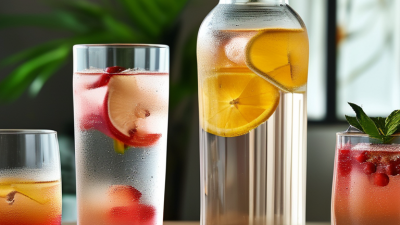

Comparing Glass Shapes for Different Liquor Categories

What Are the Top Types of Liquor Glassware?

Glass shape changes how aroma, texture, and alcohol intensity reach the drinker. IWSR’s 2024 beverage alcohol review reported a 1% global volume decline in 2023, while market value grew 2%. That shift suggests greater attention to premium drinking experiences, including presentation and serviceware.

A narrow tulip glass suits whisky and aged spirits. Its rounded bowl gathers aromas, while the smaller opening directs them toward the nose. A rocks glass works better for neat pours, large ice cubes, and short mixed drinks. Its broad rim gives a stronger first impression, though it can release delicate aromas too quickly.

Gin often benefits from a balloon or copa-style bowl. More space supports botanicals, citrus, and ice without compressing the garnish. Vodka usually performs well in a smaller chilled shot or tasting glass. The shape limits warming during short service. Rum can use a tulip glass when its molasses and oak notes need focus. Tequila is frequently served in a narrow copita, which balances aroma concentration with controlled sipping.

Real service is messier.

The International Organization for Standardization’s ISO 3591 tasting-glass standard emphasizes aroma capture, bowl proportion, and controlled evaluation. Yet no glass suits every guest. A large bowl may improve aroma but feel awkward in a crowded bar. A heavy tumbler feels stable, but its weight can hide pouring mistakes. Glass choice should match the spirit, serve size, ice, and drinking pace, not tradition alone.

Exploring Common Types of Liquor Glasses and Their Uses

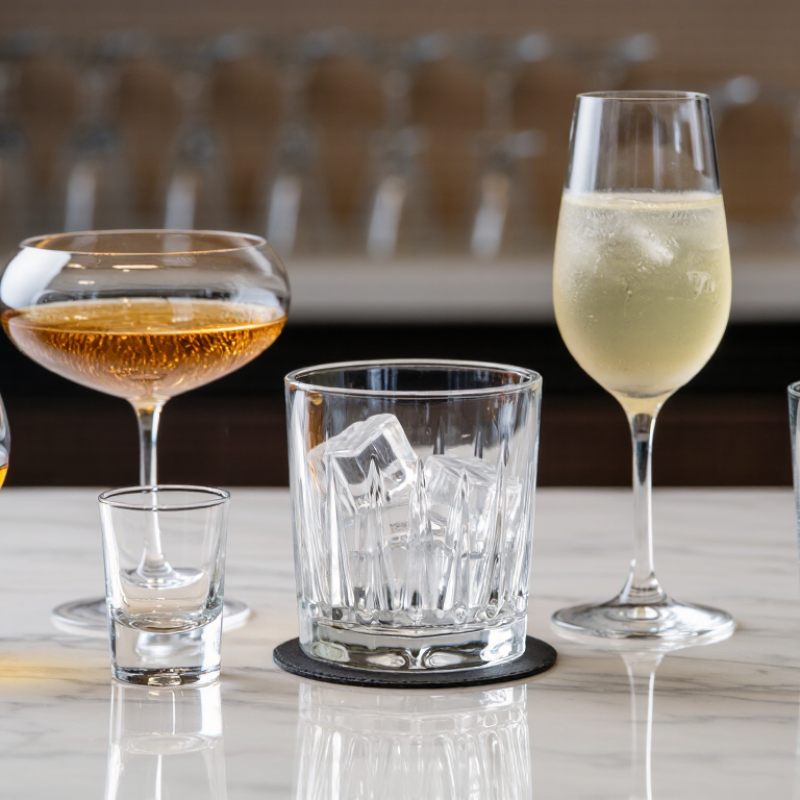
A rocks glass also called an old-fashioned glass, has a wide mouth and sturdy base. Its shape leaves room for ice while keeping a short pour easy to hold. A large cube can melt more slowly than several small pieces, though temperature and serving time matter too. It is a practical choice for spirits served neat or over ice.

A highball glass is tall and narrow, with space for a spirit, mixer, and plenty of ice. The shape keeps the drink compact and makes the layers easy to see.

A coupe has a shallow bowl and short stem; it suits chilled, strained drinks without ice. It looks elegant, but its open top lets aromas fade quickly. Small trade-offs count.

For sipping and comparing aromas a tulip-shaped tasting glass gathers scents near the rim. A snifter has a rounded bowl that warms in the hand, but holding it too long can warm the drink more than intended.

Shot glasses have small capacities and thick walls, making them useful for measured servings. They are not ideal for studying aroma. Glass choice is a guide, not a rule; comfort, pour size, and the occasion can matter more.

Matching Glassware to Aroma, Flavor, Strength, and Serving Style

What Are the Top Types of Liquor Glassware?

Matching glassware to aroma, flavor, strength, and serving style begins with the drink’s purpose.

A tulip-shaped glass concentrates delicate aromas from aged spirits. Its narrow rim directs scent toward the nose before the first sip.

A rocks glass suits strong pours served over one large cube. The broad base feels stable, while its short height encourages slower drinking.

For neat spirits, a small copita can reveal dried fruit, spice, and oak more clearly than a wide tumbler. The difference is noticeable, though not always dramatic.

Cocktail strength also changes the best choice. A coupe or Nick and Nora glass supports chilled, spirit-forward drinks with little dilution. A highball glass works better for longer serves, where mixers soften intensity and carbonation adds lift.

IWSR’s 2024 market analysis projects no- and low-alcohol beverages to grow by about 7% annually through 2027. That shift makes aroma-led glassware useful for lighter serves, not only traditional spirits.

A stemmed glass can preserve temperature, but it may feel awkward in busy service. I have found that comfort sometimes matters more than perfect shape.

The “best” glass is rarely universal.

Temperature, ice, garnish, and hand warmth can change the result. Industry guidance helps, but sensory testing remains essential.

Choosing, Caring for, and Storing Liquor Glassware Properly

Choosing liquor glassware starts with the drink, not the shelf. A rocks glass suits neat pours and drinks served over large ice. A highball glass works better for spirit-and-mixer combinations. For aromatic spirits, a tulip-shaped glass can concentrate scent near the rim. A coupe offers a broad bowl, but it needs careful handling. Check the glass for a stable base, a smooth rim, and comfortable weight. Thin crystal may feel elegant, yet it can chip easily in a busy kitchen.

Clean each glass soon after use. Warm water and mild detergent usually remove residue without leaving strong odors. Use a soft sponge, especially around narrow openings. Rinse thoroughly. Then dry with a lint-free cloth or let the glass drain upside down briefly. Avoid sudden temperature changes. Hot water on a cold glass can cause stress cracks. Dishwashers may also damage delicate shapes through heat, movement, or harsh detergent.

Store glasses upright when dust protection matters, but avoid stacking unless they are designed for it. Leave space between each piece. I once crowded several delicate glasses into one cabinet, and two rims chipped during removal. That was avoidable. Keep heavier glasses on lower shelves, and place fragile stemware away from cabinet edges. Inspect each piece before serving. A tiny crack is easy to miss. It can worsen with pressure, washing, or a cold drink. Storage takes patience. Good habits protect both the glass and the drinking experience.

What Are the Top Types of Liquor Glassware? - Choosing, Caring for, and Storing Liquor Glassware Properly

Glass Type Typical Capacity Shape and Features Common Uses Care and Storage
Rocks Glass 6–10 fl oz (180–300 ml) Short, sturdy glass with a wide opening and a heavy base. Neat spirits, or drinks served over ice, such as an Old Fashioned. Wash gently to protect the rim. Store upright with space between glasses.
Highball Glass 8–12 fl oz (240–355 ml) Tall, straight-sided glass with room for ice and mixers. Long mixed drinks, including highballs and spirit-and-soda combinations. Use a soft sponge for the interior. Store upright in a cabinet with enough clearance.
Shot Glass 1–2 fl oz (30–60 ml) Small, thick-walled glass, often marked with a pour line. Measured pours and small servings of spirits. Check measurement marks before using abrasive cleaners. Store upright or in a divided tray.
Tulip-Shaped Tasting Glass About 5–7 fl oz (150–210 ml) Narrower opening above a rounded bowl, helping concentrate aromas. Small pours of whisky and other spirits when assessing aroma and flavor. Rinse promptly and air-dry fully. Store upright to avoid pressure on the rim.
Brandy Snifter 6–10 fl oz (180–300 ml) Wide bowl, short stem, and narrower mouth; typically held by the bowl or stem. Brandy and other aromatic spirits served in modest pours. Handle the bowl carefully and avoid sudden temperature changes. Store upright by the base.
Martini Glass 6–10 fl oz (180–300 ml) Wide, V-shaped bowl on a long stem; the bowl can be delicate and top-heavy. Chilled, strained cocktails traditionally served without ice in the glass. Hold by the stem and wash carefully. Store upright with room around the bowl.
Coupe Glass 5–7 fl oz (150–210 ml) Shallow, rounded bowl on a stem. Small servings of chilled, strained cocktails. Support the bowl while washing and drying. Store upright to reduce chipping risk.
Nick and Nora Glass 4–6 fl oz (120–180 ml) Small, stemmed glass with a rounded, tapered bowl. Compact servings of spirit-forward cocktails served without ice. Clean with a non-abrasive sponge and store upright, avoiding contact between rims.

Capacities are approximate and vary by glass design. Check the care instructions supplied with each glass; dishwasher suitability depends on its material and construction.